
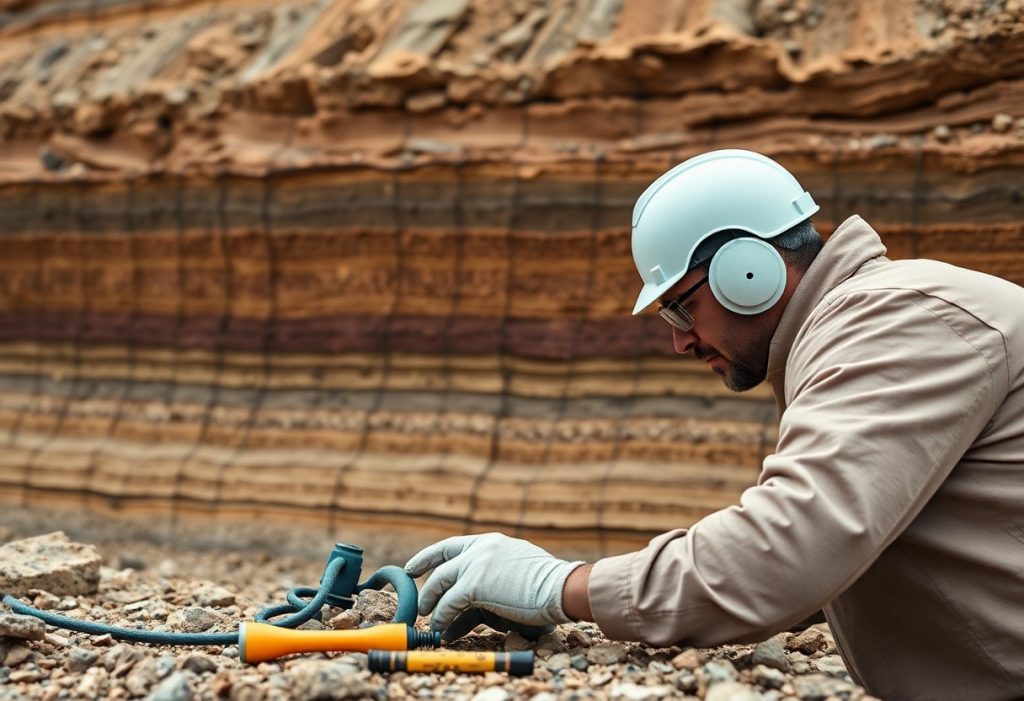
Many industries are looking towards sustainable solutions for their construction materials, and lithification processes offer a promising avenue. By understanding how these natural processes transform sediments into solid rock, you can explore innovative ways to incorporate such materials into your construction projects. This blog post will research into the science behind lithification, its potential to influence sustainable construction practices, and how you can leverage these insights for more durable and environmentally friendly building materials.
Overview of Lithification Processes
For construction materials, understanding lithification processes is important. Lithification refers to the transformation of sediments into solid rock through compaction and cementation over time. As urbanization increases, exploring these natural processes can lead to the development of innovative materials that enhance sustainability and structural integrity.
Definition and Significance
Before venturing into the specifics, it’s important to define lithification. It is the geological process that converts loose sediments into solid rock. This process holds significance as it directly affects the durability and availability of raw materials for construction, influencing the future of building practices.
Types of Lithification
Types of lithification can be classified into two main categories: compaction and cementation. Understanding these types provides insight into how sediments transform under different conditions.
| Type of Lithification | Description |
| Compaction | Reduction of pore space due to overburden pressure. |
| Cementation | Binding of sediments through minerals precipitated from water. |
| Recrystallization | Change in mineral structure without altering chemical composition. |
| Lithification of Organic Materials | Formation of rock from biological debris, such as coal. |
| Silicification | Replacement of materials with silica, enhancing rock hardness. |
The exploration of these types not only enhances your knowledge of lithification but also allows you to evaluate potential applications in modern construction.
Considering Types of Lithification
Considering the various types of lithification can be beneficial for advancing construction materials. Each type plays a unique role in enhancing material properties and can influence how you select materials for specific building projects.
| Type | Application in Construction |
| Compaction | Used in soil stabilization techniques. |
| Cementation | Creates durable aggregates for concrete. |
| Recrystallization | Improves strength of metamorphic stone. |
| Organic Lithification | Utilized for bio-based construction materials. |
| Silicification | Enhances resistance to weathering in structures. |
The understanding of these specific types helps you make informed choices about materials, ultimately shaping the future of your construction projects.
The Role of Lithification in Material Properties
Some natural processes can significantly influence the properties of construction materials. Lithification, the process of converting sediments into solid rock, plays a vital role in enhancing material strength and durability. As sediments undergo compaction and cementation, they transform into stony substances, allowing you to benefit from improved resilience in your construction projects. Understanding these properties can lead you to make informed decisions about the materials you choose for your builds.
Strength and Durability
Before plunging into material selection, consider the importance of strength and durability. Lithification enhances these attributes in materials, leading to structures that endure environmental stresses over time. You can expect increased load-bearing capacity in lithified materials, which is imperative for the longevity of your projects.
Aesthetics and Functional Traits
Behind the technical aspects, the aesthetic appeal and functional traits of lithified materials also make them attractive options for construction. You will find that various lithified materials can provide unique textures, colors, and finishes tailored to your design vision.
And as you explore the world of lithified materials, you’ll discover how their aesthetic qualities can complement modern and traditional architecture alike. From polished stone surfaces to rugged, natural finishes, these materials offer a range of options that not only enhance the visual appeal of your buildings but also contribute to distinctive functional traits, such as thermal mass and moisture resistance. Embracing these properties can lead you to create stunning structures that stand the test of time while meeting your design objectives.
Impact of Geological Factors on Construction Materials
Any construction project can significantly benefit from understanding the impact of geological factors on materials. Key considerations include:
- The availability of local resources
- The stability and composition of the underlying bedrock
- The influence of soil types on foundation strength
- The presence of natural deposits affecting material choices
Perceiving these geological traits will better inform your decisions in material selection for sustainable construction.
Local Geological Variation
On a regional level, local geological variations can impact the properties and availability of construction materials. Different rock types, mineral deposits, and soil conditions can influence your choices in sourcing materials and designing structures. Being aware of these variations helps you align your construction practices with the natural environment.
Climate and Environment Considerations
Across various regions, climate and environmental conditions can play a significant role in influencing the selection of construction materials. Weather patterns, seasonal changes, and local ecosystems all present challenges and opportunities.
Materials you choose should not only fulfill structural requirements but also be compatible with local climate conditions. For instance, in areas prone to heavy rainfall or extreme temperatures, you may need to opt for more durable or weather-resistant materials to ensure longevity. Additionally, considering the local environment helps you select sustainable materials that minimize ecological impact, promoting better harmony between your construction projects and their surroundings.
Innovations in Lithification Techniques
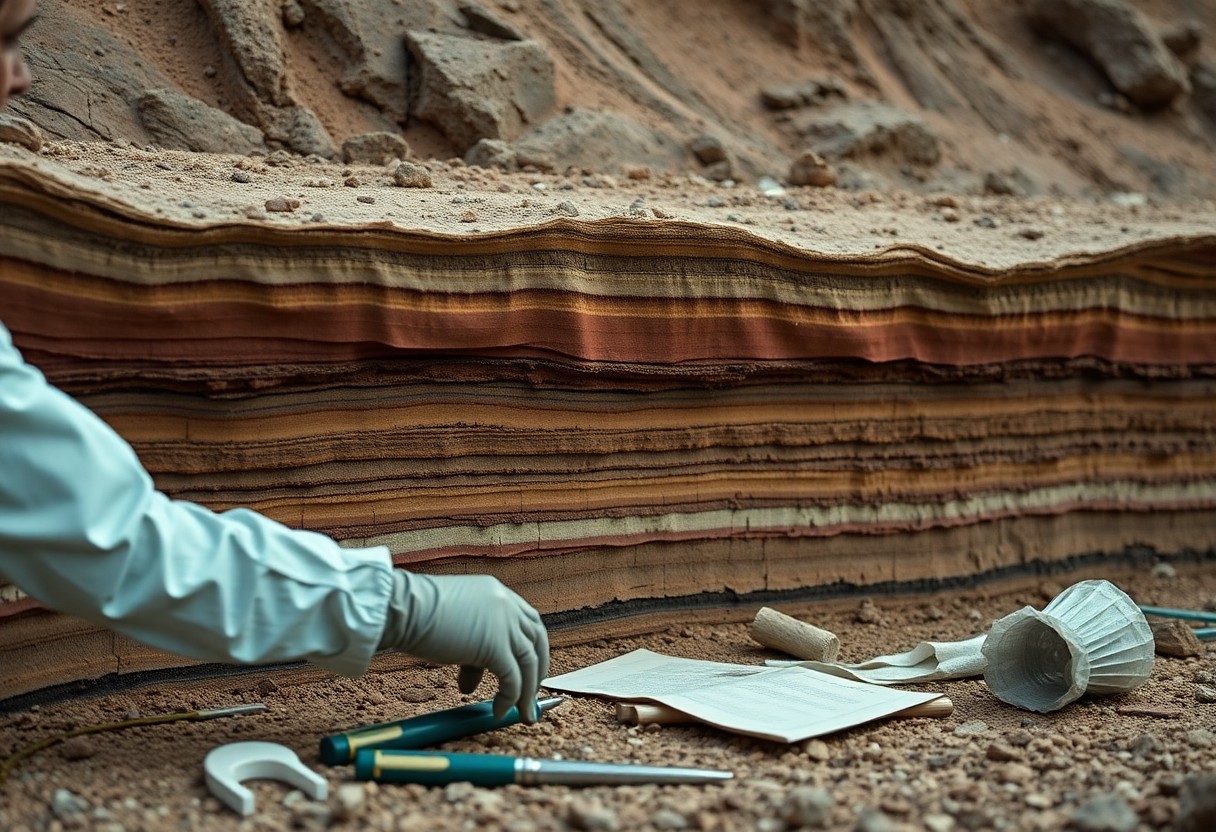
Many researchers and engineers are exploring innovative lithification techniques to enhance the durability and sustainability of construction materials. By harnessing natural processes and combining them with modern methods, you can benefit from stronger, more resilient materials that reduce environmental impact. These advancements not only improve performance but also open up new possibilities for eco-friendly building solutions that align with contemporary demands in the construction industry.
Natural vs. Synthetic Lithification
Lithification encompasses both natural and synthetic processes, each offering unique advantages for construction materials. Natural lithification occurs over geological timescales, while synthetic methods allow you to replicate these processes in a controlled environment. By understanding the differences, you can choose the most suitable lithification approach for your projects, ensuring efficiency and sustainability.
Advances in Technology and Materials Science
Any recent advancements in technology and materials science have significantly impacted lithification techniques. These innovations allow you to utilize new materials that enhance structural integrity while being environmentally friendly. Techniques such as 3D printing and bio-cementation are paving the way for the next generation of construction materials, enabling you to create buildings that are not only stronger but also minimize resource consumption.
Even with these advancements, the focus is shifting towards integrating new findings in nanotechnology and sustainable chemistry. By applying these techniques, you gain the ability to develop construction materials that are not only lightweight and durable but also biodegradable or recyclable. This dual focus on strength and sustainability can dramatically influence your approach to construction projects, aligning with the growing emphasis on environmental stewardship in the building industry.
Sustainability Considerations
Your approach to sustainability in construction materials must consider not only the resources used but also the long-term impact on the environment. The lithification processes can offer sustainable options that minimize carbon footprints and promote eco-friendly practices. By integrating natural materials and innovative technologies, you can significantly align your projects with global sustainability goals, ensuring a balanced relationship with nature while fulfilling your construction needs.
Eco-Friendly Lithification Practices
By adopting eco-friendly lithification practices, you can reduce waste and lower energy consumption in construction. Using locally sourced materials and implementing renewable energy during processing can enhance environmental benefits. Emphasizing recycling and utilizing biopolymers in lithification can lead to sustainable products, presenting you with innovative opportunities to build eco-consciously.
Life Cycle Assessment of Construction Materials
Against the backdrop of sustainability, conducting a Life Cycle Assessment (LCA) of construction materials ensures that you measure the environmental impact from extraction to disposal. Evaluating each phase helps you identify opportunities for improvement, guiding you towards more sustainable choices without compromising on quality or performance.
Even though performing an LCA can be complex, it provides you with valuable insights into the environmental repercussions of your material choices. By analyzing factors like energy consumption, waste generation, and emissions at each stage, you can make informed decisions that favor eco-friendliness. Understanding the entire lifecycle empowers you to select construction materials that not only benefit your projects but also meet the needs of future generations, establishing a legacy of sustainability.
Future Trends in Construction Materials
Once again, the evolving landscape of construction materials presents exciting opportunities driven by lithification processes. As traditional materials face sustainability challenges, the future lies in innovative composites that not only replicate natural stone but also enhance durability and reduce environmental impact. By exploring the potential of these materials, you can help transform urban infrastructure, making it more efficient, resilient, and eco-friendly.
Emerging Materials Inspired by Lithification
Behind the scenes, researchers are developing new materials that draw inspiration from natural lithification. Utilizing techniques like biomimicry, they create composite substances that mimic the layering and binding of minerals. As you explore these advancements, you’ll find options that promise enhanced performance and sustainability, reshaping your approach to material selection in construction.
The Role of 3D Printing and Other Technologies
Emerging technologies, particularly 3D printing, are revolutionizing the construction landscape. This technique allows for intricate designs and on-site customization, which can be particularly beneficial when working with innovative materials derived from lithification processes. By adopting 3D printing and other advanced methods, you can achieve greater efficiency, reduced waste, and greater design freedom, significantly transforming how construction projects are executed.
This shift towards 3D printing and advanced technologies not only optimizes the construction process but also allows for the creation of complex structures that traditional methods may find challenging. The ability to use materials inspired by lithification means you can deliver sustainable, resilient buildings that meet the demands of modern architecture. Harnessing these innovations can elevate your projects, ensuring they are tailored to your specific needs while minimizing environmental impact.
Summing up
The understanding of lithification processes allows you to explore innovative approaches to construction materials that can enhance durability and sustainability. By leveraging natural processes like compaction and cementation, you can contribute to the development of eco-friendly building materials that resist environmental wear. As you consider the future of construction, integrating these methods into your projects can lead to more resilient infrastructures, reduced environmental impact, and increased efficiency, aligning with the growing demand for sustainable solutions in the industry.