
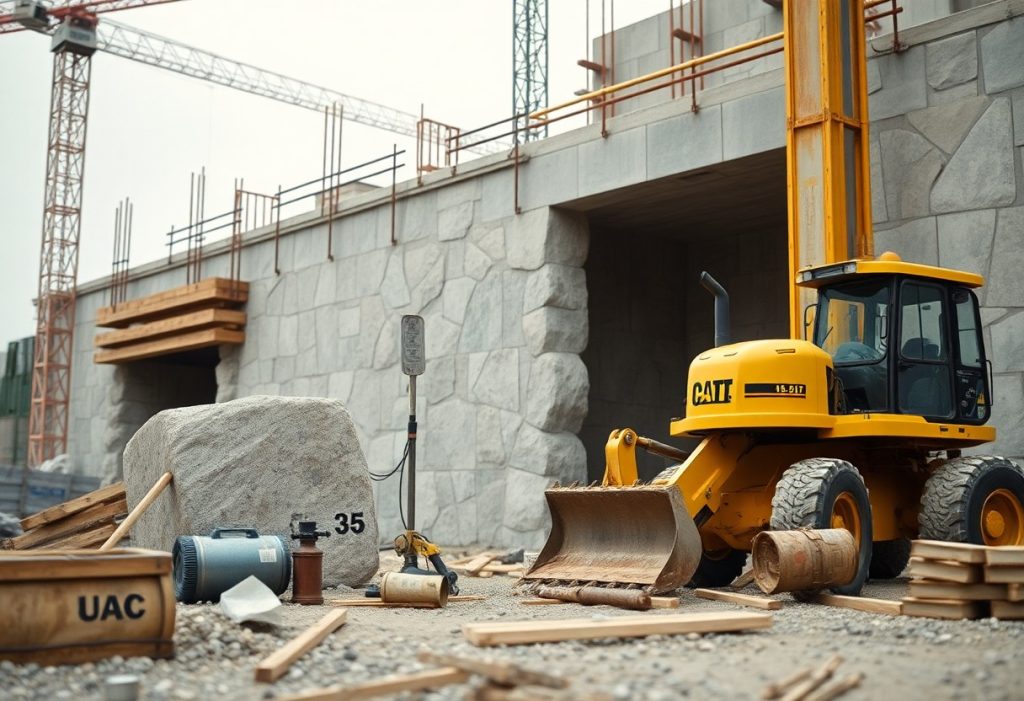
Argillaceous limestone holds the potential to revolutionize your approach to traditional construction methods. By understanding its unique properties, you can leverage this versatile material to improve durability, sustainability, and cost-effectiveness in your projects. As you explore into the ways this rock can be integrated into your building practices, you’ll discover its advantages over conventional materials and how it can enhance both structural integrity and aesthetic appeal. Embrace argillaceous limestone to not only modernize your techniques but also contribute to a more environmentally friendly construction landscape.
Overview of Argillaceous Limestone
The argillaceous limestone is a composite sedimentary rock composed primarily of calcium carbonate, clay minerals, and varying amounts of silt and sand. This unique mixture gives it distinct properties, making it suitable for various construction applications. Its availability in many regions and diversity in appearance ensure that it can meet both aesthetic and structural needs in your projects, allowing you to explore different textures and colors for architectural appeal.
Composition and Properties
With a blend of clay minerals and calcite, argillaceous limestone exhibits both plasticity and strength, making it a desirable material for construction. Its fine-grained texture enhances workability, while its durability provides long-lasting stability in building applications. As a natural stone, it also has excellent thermal mass properties, helping regulate indoor temperatures in your structures.
Historical Usage in Construction
On many ancient sites, argillaceous limestone was favored for its availability and versatility. Civilizations such as the Romans utilized this material extensively for buildings, roads, and public structures, due to its ease of extraction and shaping. This resulted in not only functional structures but also enduring architectural beauty that has stood the test of time.
Composition and availability of argillaceous limestone played a significant role in shaping ancient architecture. From grand Roman aqueducts to medieval churches, your historical research will reveal that builders chose this material for its adaptability to various forms and styles. Its resilience allowed structures to withstand the elements, showcasing both functionality and artistry. As you explore its legacy, consider how these traditional practices can inform modern construction techniques, inspiring innovation while honoring time-honored methods.
Comparison with Traditional Building Materials
There’s a distinct difference between argillaceous limestone and traditional building materials, particularly in terms of sustainability, strength, and cost. Understanding these variations can inform your choices in construction. The following table outlines key comparisons:
| Properties | Traditional Materials |
|---|---|
| Sustainability | Limited, often non-renewable |
| Strength | Variable, often weaker |
| Cost | Often higher maintenance |
Strength and Durability
Below, you’ll find that argillaceous limestone is recognized for its superior strength and durability compared to many traditional materials. This quality not only enhances the longevity of structures but also reduces the frequency of repairs. Investing in such robust materials means you make long-term savings in building maintenance.
Cost-Effectiveness
With argillaceous limestone, you can benefit from significant cost-effectiveness over time. This material typically requires lower maintenance and fewer repairs, leading to reduced lifelong costs compared to various traditional building options.
And by choosing argillaceous limestone, you are not only investing in a material that offers affordability but also in one that boasts efficiency in energy use and a lower carbon footprint. This makes it an appealing option for environmentally conscious projects, ensuring reduced overall expense while promoting sustainability in your construction practices.
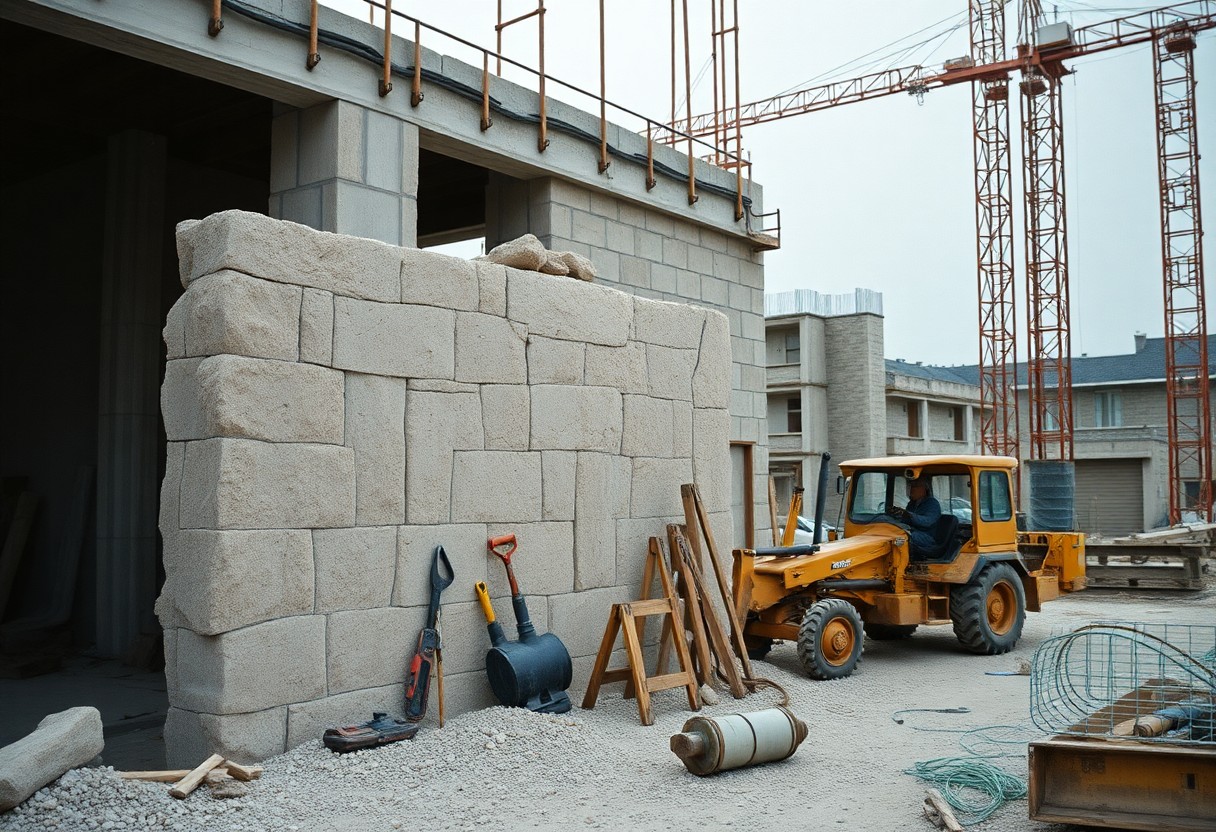
Innovative Construction Techniques Using Argillaceous Limestone
There’s a growing interest in utilizing argillaceous limestone in construction, as it offers a unique blend of durability and versatility. This sedimentary rock has superior binding properties, making it an ideal candidate for various innovative applications. You can explore its potential in structural elements, cladding, and even decorative features, transforming the way buildings are designed and constructed.
Masonry Applications
Around the world, argillaceous limestone is being integrated into masonry applications due to its excellent workability and strength. You can use it to create robust walls and intricate stonework that enhances both aesthetic appeal and structural integrity. This material’s adaptability allows you to work seamlessly with traditional techniques, all while providing added benefits, ensuring your projects stand the test of time.
Sustainable Building Practices
Above all, incorporating argillaceous limestone into sustainable building practices significantly reduces the environmental impact of your construction projects. You can source this material locally, decreasing transportation emissions and promoting regional economies. Its natural characteristics also lead to lower energy consumption during production, creating a more eco-friendly alternative to conventional building materials.
Another benefit of employing argillaceous limestone in sustainable building practices is its exceptional thermal properties, which can enhance energy efficiency. By regulating temperature fluctuations, it helps to minimize the reliance on artificial heating and cooling systems. Additionally, this material’s longevity contributes to reducing waste over time, aligning with modern construction’s focus on sustainability while ensuring you maintain quality and resilience in your structures.
Case Studies of Argillaceous Limestone in Modern Architecture
Unlike conventional materials, argillaceous limestone offers unique benefits for contemporary architectural projects. Here are some notable case studies that showcase its effectiveness:
- The Green Building, New Orleans: Utilizes argillaceous limestone for insulation, reducing energy costs by 30%.
- City Hall, Liverpool: Features argillaceous limestone façade, improving sound insulation levels by 15 decibels.
- Residential Complex, Barcelona: Integrates argillaceous limestone in foundation work, providing increased stability during seismic events.
- Public Library, Toronto: Implements argillaceous limestone in rainwater harvesting systems, yielding a 40% reduction in water usage.
Notable Projects
Between 2015 and 2021, several high-profile buildings adopted argillaceous limestone, influencing sustainability practices across the industry. Each of these projects highlights distinct advantages, including thermal performance and aesthetic appeal, thereby inspiring architects and builders to consider this material for future developments.
Lessons Learned
Behind every successful project are valuable insights that guide future endeavors. Each case emphasizes the importance of understanding material properties and collaborating with experts who recognize the potential of argillaceous limestone in addressing contemporary architectural challenges.
Case studies reveal that selecting the right materials, like argillaceous limestone, can lead to innovative design solutions. You will find that numerous projects experienced enhanced durability, energy efficiency, and reduced environmental impact. Engaging with local suppliers and professionals familiar with the material also played a significant role in maximizing its benefits, ensuring that your project stays ahead of trends while remaining sustainable.
Challenges and Limitations
Once again, while argillaceous limestone offers numerous benefits for construction, it is not without its challenges. The variability in material properties can lead to inconsistent performance in different environments. Moreover, its adaptability to existing techniques may require additional research and adjustments, potentially increasing project timelines and costs. Understanding these limitations is vital for ensuring that you can effectively integrate argillaceous limestone into your construction practices.
Sourcing and Availability
Below, sourcing argillaceous limestone can be a challenge as its availability varies dramatically by region. In some areas, it may be abundant, while in others, it could be scarce, affecting your project’s feasibility. Additionally, logistical issues related to transportation and storage might arise, further complicating your sourcing efforts. You must assess local supplies before planning any construction project utilizing this material.
Technical Expertise Requirements
Below, implementing argillaceous limestone into your construction processes requires specialized technical knowledge. This material has unique properties that may necessitate alterations to existing construction techniques. Understanding its behavior and how to work with it can significantly impact your project’s success. You may need to collaborate with experts familiar with argillaceous limestone to ensure proper application and adherence to safety regulations.
Even if you possess a solid foundation in traditional construction methods, working with argillaceous limestone will demand an upgrade in your technical skills. The complex interaction between argillaceous limestone and other building materials means you must be equipped to manage these relationships effectively. Engaging professionals experienced in this field could enhance your capabilities, ensuring you achieve the desired results while maximizing the advantages of this innovative material.
Future Trends in Construction
Many construction professionals are recognizing the transformative potential of argillaceous limestone. As sustainability becomes increasingly prioritized, this innovative material offers benefits such as enhanced durability, lower environmental impact, and improved thermal properties. By adopting argillaceous limestone in your projects, you can not only modernize traditional construction methods but also align with the growing demand for eco-friendly building solutions, positioning your work at the forefront of industry advancements.
Integration with Green Technologies
Before embracing newer construction techniques, you should explore the integration of argillaceous limestone with green technologies. This material can complement renewable resources, such as solar panels and green roofing systems, thereby enhancing energy efficiency in your buildings. Its natural properties make it an ideal choice for creating sustainable environments that minimize carbon footprints while maintaining structural integrity.
Potential for Urban Development
Before plunging into urban development projects, consider how argillaceous limestone can support increased density and infrastructure needs. This adaptable material can streamline construction processes while ensuring compliance with modern building standards, making it particularly suitable for urban settings where space is limited. By incorporating argillaceous limestone, your developments can better meet the demands of growing populations.
In addition, incorporating argillaceous limestone in urban development opens avenues for innovative building designs that harmonize with green spaces. This material allows for spacious structures that can accommodate community needs, such as shared amenities and public areas. With its ability to reduce overall building costs and enhance aesthetics, your projects may stand out as exemplary models of sustainable urban living, paving the way for future construction trends.
Final Words
On the whole, utilizing argillaceous limestone in your construction projects can significantly enhance traditional techniques by improving durability, energy efficiency, and aesthetic versatility. By incorporating this material, you can take advantage of its unique properties, which allow for better insulation and reduced environmental impact. As you explore innovative ways to integrate argillaceous limestone into your building practices, you’ll find that it not only complements existing methods but also paves the way for more sustainable and efficient construction solutions.